

YOU ARE NOT FAILING
You are caught in something that can change
Therapy for addiction and recovery in Washington, D.C., Maryland, Virginia, Texas, and globally.
Whether you’re questioning your use, trying to rebuild after treatment, or ready for a different way forward, therapy can help you create lasting change without shame.
When it looks fine from the outside—but it isn’t.
You may still be going to work.
Meeting deadlines.
Taking care of other people.
Holding things together.
From the outside, your life may look functional.
But privately, something feels off.
Maybe the drink, edible, vape, pills, or other coping strategy that once helped you take the edge off now feels harder to control.
Maybe it no longer helps the way it used to—but you keep reaching for it anyway.
Maybe you’ve started asking yourself questions like:
Why does everything feel harder if I can’t use?
Why do I keep saying I’ll cut back—and then not follow through?
Why do I need more now to get the same effect?
Why am I thinking about it so much?
Why does this feel more in control of me than I am of it?
If I’m functioning, does this still count as a problem?
Sometimes the concern begins at work
You may notice:
Trouble focusing
Mistakes you normally would not make
Getting through the day feels harder without using
Anxiety about being found out
Fear of consequences if something changes
Needing something just to start, get through, or recover from the day
Sometimes it begins at home.
What started as a way to unwind has become something you rely on. You may feel more distant, more numb, more secretive, or less present with the people you care about.
Sometimes the hardest part is the shame.
Other people seem able to stop.
You’ve tried before and haven’t.
You may be wondering what that says about you.
It says less than you think.
And if your social world, your relationships, or your work culture are built around using, the idea of changing can feel terrifying.
Because it is not just about stopping a substance.
It may feel like risking connection, identity, routine, and the only coping strategy that has worked for a long time.
You do not have to be falling apart to need support.
And you do not have to figure it out alone.
You are not stuck here.
In our work together, we focus on helping you:
Understand how you got here without drowning in shame
So the story becomes clearer—and you can move forward with honesty instead of self-hatred
Rebuild a sense of choice and control
So your decisions are guided more by your values than by urges, secrecy, or survival patterns
Learn practical skills for the moments that usually pull you out of recovery into relapse
So stress, cravings, anxiety, loneliness, or overwhelm no longer automatically lead the next decision
Develop coping strategies that actually support you
So substances no longer have to carry the entire weight of stress, pain, or emotional survival
Reconnect with the people and parts of life that matter
So relationships, joy, purpose, and everyday life do not keep shrinking around the struggle
Strengthen hope when it has gone missing
So change feels possible again—even if you have tried before
Create support that lasts beyond motivation
So recovery is not something you have to hold together alone
Address trauma thoughtfully and safely when it is part of the picture
So healing happens in a way that supports your stability rather than overwhelming it
Build a future that feels more like yours
So recovery is not just about stopping something—but about becoming available for your own life again
We are not here to judge you or force you into someone else’s timeline.
Our goal is to meet you where you are, help you understand what is happening, and equip you with the tools, support, and momentum to build something different.
Work With a Therapist Who Understands Addiction and Recovery
-
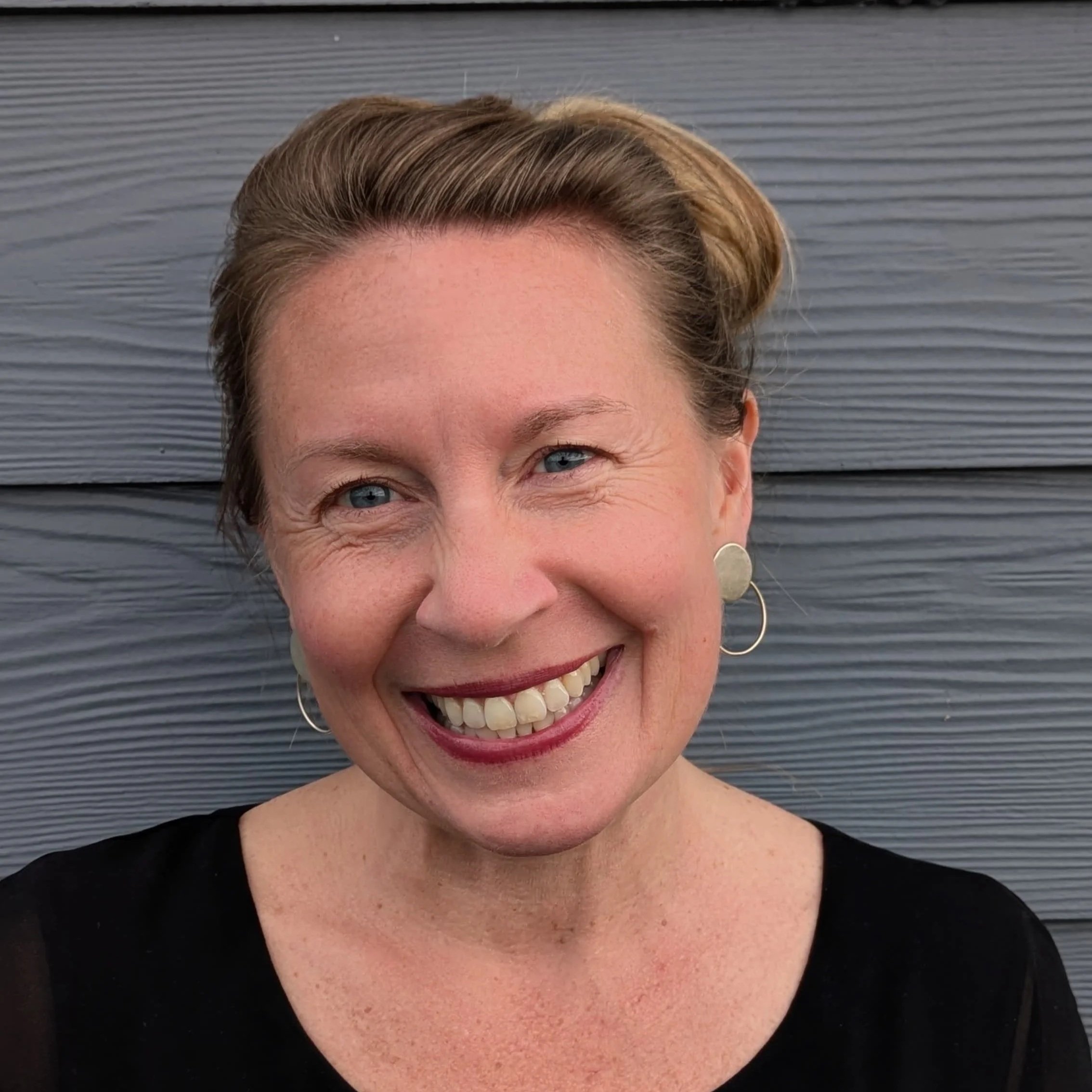
![Addiction and Recovery Therapist DC, VA, MD, TX]()
Donnica Wingett, LICSW
-
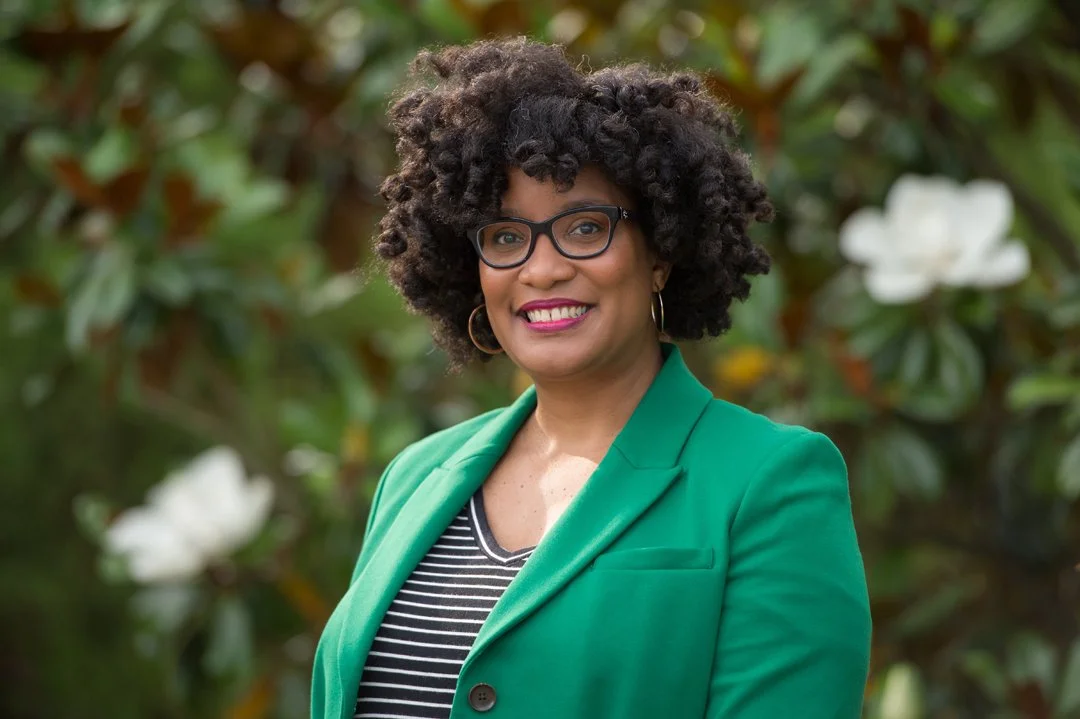
![Addiction and Recovery Therapist MD]()
Raven Ellis, LCPC
What recovery makes possible
Feeling less controlled by urges, habits, or patterns that no longer serve you
Understanding your triggers and knowing how to respond differently when they show up
Carrying less shame, secrecy, and self-blame
Building coping skills you can use in every part of life—not just around substance use
Rebuilding trust and connection in your relationships
Feeling more hopeful about the future and what is still possible for you
Creating a life that supports the changes you want to make, rather than constantly pulling against them
Returning to meaningful work in a way that feels more balanced and sustainable
Feeling more like yourself again—and more able to live in alignment with your values
Recovery is about more than what you stop, it is about what you get back.
Therapy can help you reconnect with your values, your relationships, your work, and the version of you that has been buried under the struggle.
FAQS ABOUT ADDICTION & RECOVERY
-
Not always.
For some people, abstinence is the clearest, safest, or most supportive path. For others, recovery may begin with reducing harm, increasing awareness, changing patterns, or exploring the role substances are playing in their life.
There is no single path that fits everyone.
Our role is not to force you into a rigid model. Our role is to help you understand what is happening, clarify your goals, and build a path forward that is honest, sustainable, and aligned with your wellbeing.
For some people, that path includes abstinence. For others, the process may look different.
What matters most is meaningful change—not performing recovery in a way that does not fit your reality.
-
Harm reduction is an approach that focuses on reducing the negative impact of substance use rather than requiring abstinence.
That can include things like:
increasing awareness of triggers and patterns
using less frequently
reducing risky situations
building healthier coping tools
improving boundaries and support
creating more safety and stability
making more intentional choices
Harm reduction recognizes that change often happens in stages.
For many people, that makes real change more possible.
-
Recovery means different things to different people.
It may include stopping substance use entirely. It may include changing your relationship with substances. It may include healing the pain beneath the behavior, rebuilding trust, repairing relationships, or learning how to cope differently.
At its core, recovery is not only about what you stop.
It is about what you regain:
choice
honesty
stability
connection
self-respect
hope
a life that feels more like your own
Recovery is personal, and it does not have to look the same for everyone.
-
There is no one-size-fits-all timeline.
How long therapy takes depends on several factors, including:
your goals for therapy
the changes you want to see in your life
whether you are exploring your relationship with substances, working toward sobriety, or maintaining recovery
the level of support you already have outside of therapy
medical or psychiatric factors that may also need attention
a history of trauma or other experiences connected to substance use
current stressors, environment, and daily demands
For some people, therapy is most helpful as short-term support around a specific goal or transition. For others, recovery work is deeper and longer-term—especially when trauma, mental health concerns, or long-standing patterns are part of the picture.
Our focus is not on rushing you or fitting you into a preset timeline.
Our focus is helping you create meaningful, lasting change at a pace that is realistic, supportive, and sustainable.