

WHEN WORK, HOME, AND IDENTITY ARE ALL IN MOTION
Living and working across countries can be meaningful — and deeply complex. Therapy can help you navigate transition, identity shifts, and the emotional toll of building a life across borders.
Online therapy for professionals in Washington DC, Maryland, Virginia, Texas, and those working internationally.
When your life doesn’t stay in one place.
Living and working across countries can be meaningful, expansive, and deeply aligned with your values.
It can also be disorienting in ways that are hard to explain to people who haven’t lived it.
You may be someone who:
has built a career that moves you from place to place
has left home to live and work in a different culture
supports a partner whose work requires constant relocation
or finds yourself living between countries, identities, and expectations
From the outside, it can look like an exciting, purposeful life.
But this kind of life often asks more of you than people realize. In your relationships. In your sense of self. In the way you carry your life day to day.
That can look like:
Adjusting again and again to new cultures, norms, and expectations
Carrying the loss that comes with leaving places, people, and versions of your life behind
Trying to build meaningful relationships in places where you may not stay
Navigating questions about identity, belonging, and where “home” actually is
Watching your work continue to move forward while other parts of your life feel repeatedly interrupted
Managing the strain of long-distance relationships, uneven career paths, or roles that no longer feel fully your own
Supporting children through repeated transitions while trying to stay grounded yourself
For some, there are also the realities of:
living in unstable or high-risk environments
working in service-driven or globally focused roles with significant pressure or responsibility
navigating political, cultural, or ethical contexts that leave you feeling conflicted or emotionally worn down
Even if this is a life you chose. Even if parts of it still matter deeply to you, this can start to take a toll
You may feel increasingly disconnected, even when you’re surrounded by people
You may find yourself overworking because it’s the most stable part of your life
You may feel pulled between competing responsibilities, relationships, or identities
You may notice that the version of you who functions well is no longer the same as the version of you who feels fully alive
You may realize that the ways you’ve always coped are no longer enough
And underneath all of it, there may be a question you haven’t fully known how to answer:
How do I build a life that feels grounded, connected, and actually mine — when so much of it keeps shifting?
Do you want to feel more connected and at home in your own life?
In our work together, we focus on helping you:
Strengthen your sense of identity
So your sense of self feels less dependent on where you are, what role you’re in, or how often life is changing around you
Build a healthier relationship with work
So work is no longer the only place you feel competent, anchored, or in control
Navigate relationships with more intention
So you can move through distance, role shifts, conflict, and transition in ways that support intimacy rather than erode it
Create more meaningful connection and community
So you feel less isolated and more able to build a life that includes real support, wherever you are
Support yourself—and your family—through transition
So you feel more equipped to navigate change, help your children adjust, and recognize when additional support is needed
Make space for grief, loss, and complexity
So you don’t have to minimize what this life has cost you in order to keep loving what it gives you
We don’t believe you have to choose between a globally mobile life that matters to you and the emotional truth of what it asks of you.
Our goal is to help you build more stability, clarity, and belonging within that life — so it feels more sustainable, more connected, and more fully your own.
Work With a Therapist Who Understands Global Professionals
-
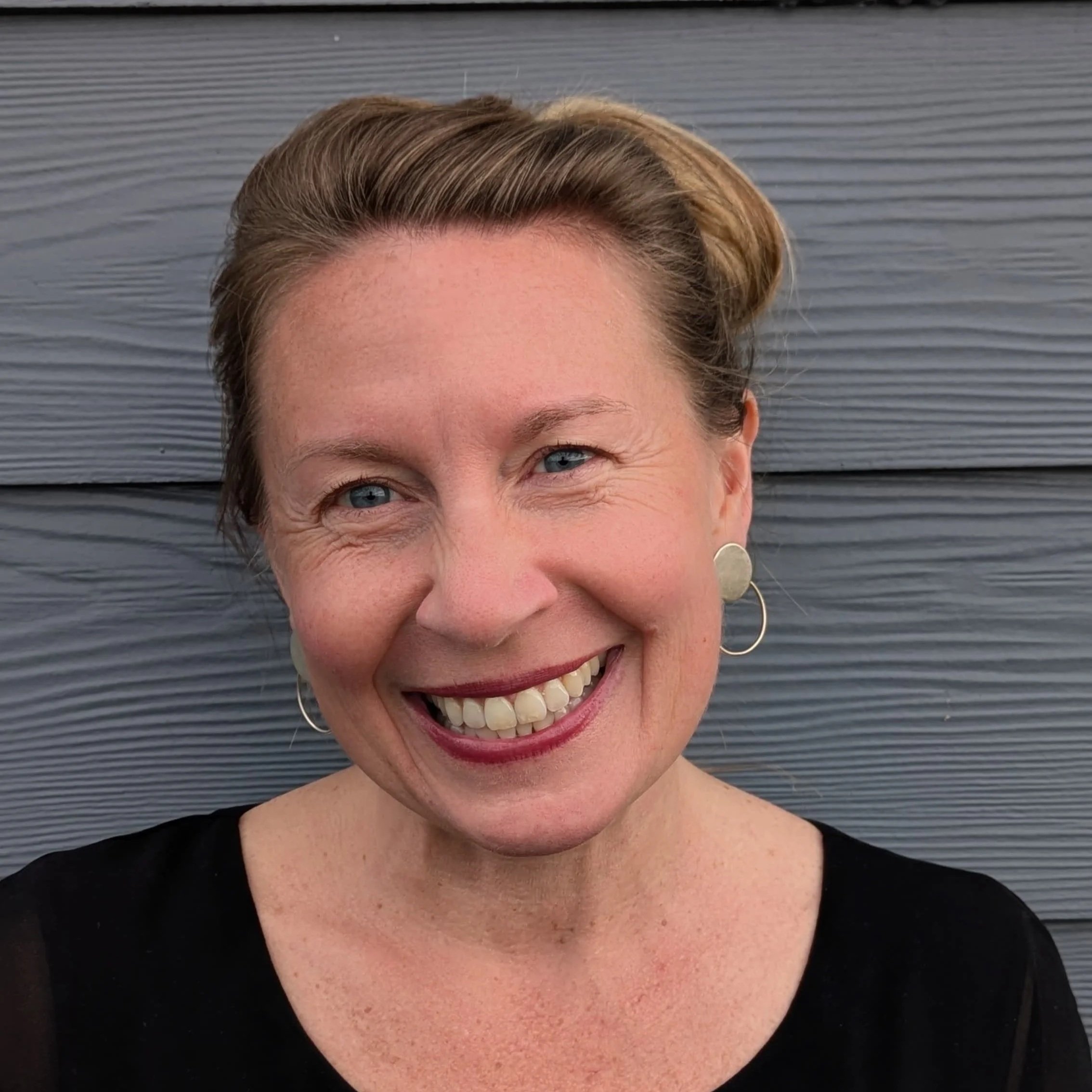
![Therapist for Global Professionals in DC, VA, MD, TX]()
Donnica Wingett, LICSW
-
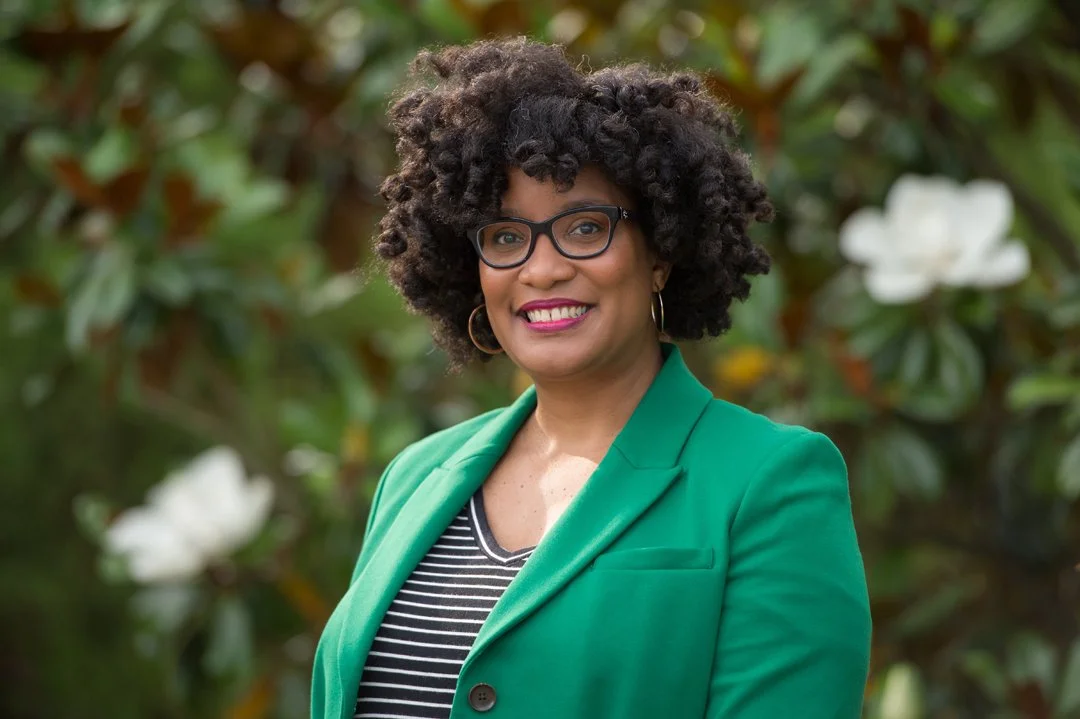
![Therapist for Global Professionals in MD]()
Raven Ellis, LCPC
-
![Therapist for Global Professionals in DC]()
Camilla Tibbetts, LICSW
-
![Therapist for Global Professionals in DC and MD]()
Megan Williams, LCPC


What therapy can help you carry with you
Developing a stronger sense of belonging, even when your life keeps moving
Staying connected to your identity, and what matters most to you
Creating a sense of home that can travel with you
Protecting more space for life outside of work
Strengthening relationships through distance, transition, and change
Building rituals and practices that help transitions feel less destabilizing
Moving doesn’t have to mean starting from scratch.
Therapy can help you build a stronger sense of identity, belonging, and continuity—so even when your geography shifts, your footing doesn’t.
FAQS ABOUT THERAPY FOR GLOBAL PROFESSIONALS
-
Therapy can help with many of the challenges that come with living and working across countries, cultures, and systems.
That might include:
repeated transitions and relocations
identity shifts and questions of belonging
relationship strain or long-distance partnerships
parenting through transition
grief, loneliness, or disconnection
overwork, burnout, or difficulty setting boundaries
the emotional toll of high-pressure or mission-driven work
Many of the people we work with are not in one obvious “crisis.” They are often functioning well on the outside while carrying a level of complexity, loss, or strain that has become harder to manage on their own.
Therapy can help you make sense of what this life is asking of you—and build more clarity, connection, and sustainability within it.
-
No.
Many global professionals are highly capable, adaptable, and used to managing a great deal. In fact, one of the reasons people often wait to seek support is because they are so accustomed to pushing through transition, uncertainty, or disruption.
But you do not have to wait until things feel unmanageable.
Therapy can be helpful when you are:
feeling more disconnected than usual
noticing strain in your relationships
having trouble adjusting to a move or major life transition
overworking or feeling emotionally depleted
questioning your sense of identity, belonging, or direction
Sometimes therapy is most helpful before things reach a breaking point.
-
Yes.
For many people living internationally or moving frequently, the hardest part is not always the logistics. It is the internal impact of repeatedly adapting, leaving, adjusting, and rebuilding.
Over time, that can affect your sense of self, your relationships, and your connection to where—or with whom—you feel most at home.
Therapy can help you explore those questions with more depth and intention, so you are not just surviving transition but building a life that feels more coherent, connected, and fully your own.
-
Possibly.
Many of the professionals we support live internationally or move frequently for work. Because mental health care is regulated differently around the world, whether we can work together depends on your location and the nature of the support you are seeking.
If you are based outside the United States, we can talk through what may be possible during your free consultation so you have a clear understanding of your options.