When the New Job Doesn’t Fix What’s Broken: Support for Aid Workers Still Grieving
"I just want my old job back!"
That's what someone we know blurted out at dinner recently, mid-conversation, without meaning to. They'd landed a new job months earlier. It's fine. They're doing work they care about — at least somewhat. But as the conversation wound through everything the last 18 months had cost them, that sentence arrived anyway: not composed, not planned, just true.
It's the kind of thing that slips out because the illusion of being fine takes real effort, and sometimes, mid-sentence, at a dinner table, the effort runs out.
You update your LinkedIn headline. You accept the offer letter. You tell everyone — your partner, your friends, your former colleagues still job-hunting, yourself — that you landed on your feet. And then, on a random Tuesday, someone mentions USAID in a meeting and something in your chest tightens like a fist. Or you're filling out an expense report for your new job in software sales and you remember filling out the same kind of paperwork for a program that kept girls in school somewhere you can't say out loud without your voice catching.
Being employed again does not mean you are okay again. For the humanitarian and international development professionals whose careers were upended over the past two years, "employed" and "okay" have turned out to be two very different things — and it’s important we talk about the difference.
The Job Search Ends. The Grief Doesn’t.
Most of the support available to laid-off aid workers has focused, understandably, on the job search itself: how to translate "led a $12M WASH portfolio across four countries" into language a hiring manager outside the sector will recognize, how to network, how to survive the silence after another application disappears into an applicant tracking system.
But almost nobody prepared you for what happens after you land the job.
No new role, no matter how good, is a time machine. It cannot take you back to a version of the world where your sector wasn't gutted, where your former colleagues still had their jobs, where the work you built your identity around still existed in the form you built it in. You can be grateful for stability and still be furious about what it cost to get there. Both things are true. Neither one cancels the other out.
Holding both at once - the gratitude and the furry - is exactly why KonTerra Counseling built a new support group: Employed But Seething & Grieving, a four-session series for current and former aid workers who've landed somewhere new and are definitely not okay.
Why Gratitude and Rage Can Coexist
If you're living in this in-between space right now, some of this will likely sound familiar:
You're relieved you can pay your bills again — and you still feel a low, steady unease that this, too, could be taken from you without warning. You've settled into the routine of a new role, but you're still searching for a way to live out the values that used to be built into your job description by default. You're surrounded by new colleagues who are perfectly kind and have no idea what the last two years actually cost you, so you keep the complexity of it to yourself.
And there's the sheer strangeness of the shift itself. You used to make sure a rural clinic had a reliable cold chain for vaccines. Now you're troubleshooting a CRM. The drop in scale — and in meaning — can feel almost disorienting, like you traded a language you were fluent in for one you're still sounding out.
None of this means you made the wrong choice by taking the job. It means the transition is more than a title change.
The Invisible Wound: Moral Injury
There's a term for part of what you might be carrying, and it's worth knowing because it's not the same as burnout: moral injury.
Burnout is what happens when the demands of a job exceed your capacity to meet them. Moral injury is different — it's the wound that forms when you're forced to act, or forced to stand by, in ways that violate your own values. Watching your sector dismantled while feeling powerless to stop it. Making an "impossible choice" — take the stable job or keep fighting for a mission that no longer has funding — and living with the residue of that choice long after it's made.
Moral injury doesn't heal the way ordinary stress does. It responds to being named, processed, and witnessed — not to a new job description.
Why A Job Search Support Group Isn’t What This Is
This distinction matters, because it shapes who this group is actually for.
This is not career transition support. If you're still actively job hunting, there are excellent resources built for exactly that — but this isn't one of them. It's also not individual therapy, and it's not designed for anyone currently in acute crisis, who deserves more intensive, individual support than a group format can offer.
This group exists for the space after the job search: for people who have already landed somewhere new and are discovering that landing wasn't the same as arriving.
What The Group Actually Offers
Over four sessions, the group creates room to do the work that a new job title can't do on its own:
Unburden the guilt of survival. Choosing stability wasn't a betrayal of your former colleagues or your former mission. It was an act of survival — and there's a real difference between the two that's worth learning to feel, not just know intellectually.
Grieve what was dismantled, out loud, with people who don't need the context explained to them first. The shock, the outrage, the loss of a community, and a future you'd built — all of it gets to take up space here.
Separate your worth from a sector that collapsed. Who you are was never only what organization your email signature belonged to. Untangling the two takes deliberate work.
Ease the sense of constant alert — the part of you still scanning for the next earthquake, still bracing for the ground to move again, even in a job that's objectively stable.
Redefine purpose and identity without pretending the loss didn't matter, and find a way to integrate the last two years into the story of who you're becoming, rather than getting stuck reliving them.
Who This Group Is For
You might be a strong fit if you:
Are a current or former international humanitarian or development professional whose work was disrupted by cuts to foreign assistance
Are back in the workforce, whether in a new sector or still in aid work
Feel a disconnect between your current job and the values that used to shape your work
Still carry real anger or grief you haven't had anywhere to put
Feel isolated from both old colleagues and new ones — surrounded by people, understood by few
Want a small, closed cohort of people who don't need the last two years explained to them
The Details
KonTerra Counseling's support group for current and former aid workers runs for four bi-weekly sessions, beginning Wednesday, September 16, from 7:00–8:15 PM ET, held online with a limited group size to protect the safety of the space. The cost is $297 for the full series, and payment plans are available for anyone facing financial constraints — because we believe access to this kind of support shouldn't depend on ability to pay.
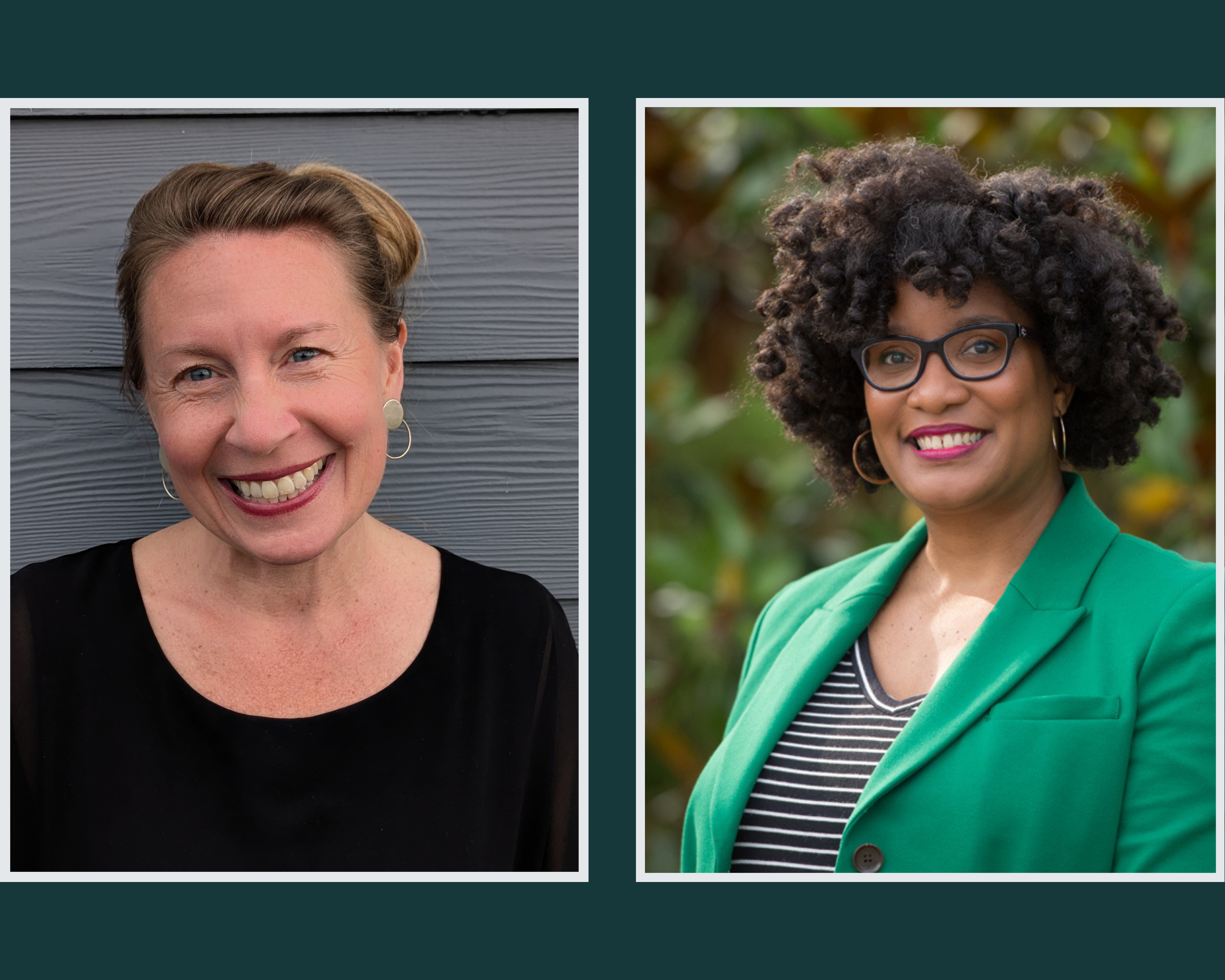
As your facilitators, we (Donnica Wingett and Raven Ellis) have spent the last 18 months working directly with aid and development professionals navigating exactly this transition. We’re not approaching this from theory.
If the gap between "employed" and "okay" sounds familiar, you don't have to bridge it alone. Register here to join the next cohort.